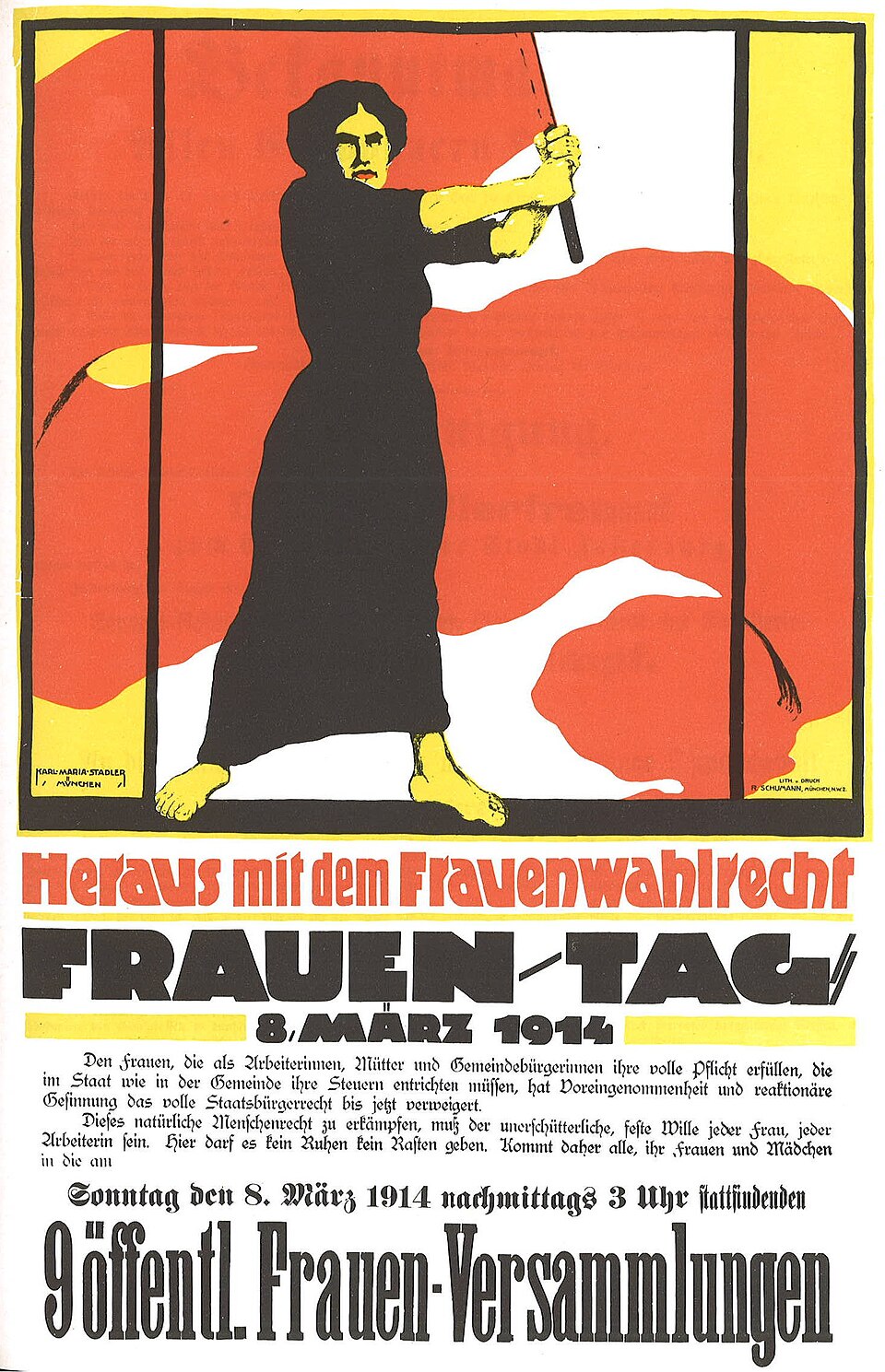
International Women's Day: From Socialist Roots to Global Recognition
Every year on March 8th, the world pauses to celebrate International Women's Day (IWD). What began as a radical call for labor rights and suffrage among working-class women has transformed into a globally recognized event, marked by diverse celebrations, protests, and reflections on women's achievements and the ongoing fight for equality. But to truly understand the spirit of International Women's Day, we must delve into its powerful and often-overlooked socialist origins, tracing its journey from gritty factory floors to the polished halls of the United Nations.
The Fiery Dawn: Socialist and Labor Roots of International Women's Day
The genesis of International Women's Day is not a story of gentle reform, but one forged in the crucible of fierce labor struggles and socialist activism in the early 20th century. The inhumane conditions faced by women in industrializing nations sparked a powerful movement for change.
A pivotal moment occurred on February 28, 1908, in New York City. Approximately 15,000 women garment workers, many of them recent immigrants, poured into the streets in a mass protest. Their grievances were stark: brutal 12- to 16-hour workdays, pitifully low wages, and perilously unsafe factory environments. Beyond these immediate concerns, they also demanded the fundamental right to vote, recognizing that political power was essential to secure lasting change. This demonstration, expertly orchestrated by members of the Socialist Party of America, was not merely about "women's issues"; it framed women's suffering as an intrinsic consequence of capitalist exploitation, emphasizing class solidarity as a pathway to liberation. These actions built upon a history of labor unrest, where women, often excluded from male-dominated unions, increasingly sought collective bargaining power.
Across the Atlantic, similar agitations were brewing. Female textile laborers in Germany and Austria were protesting comparable wage suppression and hazardous factory conditions, often under the unified banner of socialist movements. These early actions highlighted the undeniable link between industrial capitalism's demand for cheap, expendable female labor and the broader alienation of the working class.
It was amidst this vibrant, international atmosphere of protest that the idea for a unified women's day took shape. In 1910, at the International Conference of Socialist Women in Copenhagen, German socialist Clara Zetkin put forth a groundbreaking proposal. Inspired by the success of May Day as a global labor observance, Zetkin advocated for the creation of an "International Women's Day." Her vision was clear: a dedicated day for working-class women worldwide to advance their demands against capitalist exploitation, campaigning for suffrage, labor protections, and unionization.
The call resonated, and the first celebrations of International Women's Day took place on March 19, 1911, in Austria, Denmark, Germany, and Switzerland. Rallies drew hundreds of thousands, focusing primarily on securing the right to vote and ending discrimination in employment, laying a powerful foundation for a global movement.
A Date Etched in Revolution: March 8th and its Significance
While the initial celebrations occurred in March, the specific date of March 8th became permanently fixed due to a revolutionary event that shook the world and irrevocably linked International Women's Day with the struggle for fundamental change.
On March 8, 1917 (February 23 in the Julian calendar), the streets of Petrograd, Russia, erupted. Textile workers, overwhelmingly women, went on strike, demanding "Bread and Peace." Their courageous protest against food shortages, brutal working conditions, and the ongoing horrors of World War I rapidly escalated. This strike is widely recognized as a catalyst for the Russian February Revolution, which ultimately led to the abdication of Tsar Nicholas II and the downfall of the Russian Empire. The women of Petrograd, by their sheer defiance and collective action, had demonstrated the immense power of working-class women to instigate societal transformation.
In recognition of this pivotal moment, International Women's Day evolved into a state holiday in the nascent Soviet Union. Under the communist regime, the day was reinterpreted, emphasizing women's emancipation and their role in building a socialist society. While this marked a significant step in institutionalizing the observance, it also began a process of shifting the narrative, sometimes obscuring the broader, international socialist aims in favor of a state-sanctioned celebration of women's progress under communism.
However, the global resonance of the Petrograd strike ensured that March 8th would become the enduring date for International Women's Day across the world, forever connecting it to both labor struggles and revolutionary change.
From Class Struggle to Global Recognition: The UN's Role and Evolving Narratives
For decades, International Women's Day remained predominantly associated with socialist and communist movements. However, its trajectory took a significant turn in the latter half of the 20th century. Amidst burgeoning global movements for peace, labor rights, and human rights, the United Nations formally recognized International Women's Day in 1977.
This formal recognition marked a critical juncture. It elevated International Women's Day to a global platform, transforming it from a socialist observance into a universal call for gender equality. With UN endorsement, IWD gained broader visibility and legitimacy, inviting participation from governments, NGOs, and individuals worldwide. This global recognition also brought new themes and interpretations to the forefront, extending beyond labor rights to encompass issues like violence against women, reproductive rights, and women's political participation.
However, this expansion of scope also brought about a significant IWD's Shifting Narrative: From Class Struggle to Generic Empowerment. While its foundational ties to Marxist class struggle and anti-capitalist aims were explicit in its origins, contemporary narratives often obscure these radical roots. Today, International Women's Day is frequently reinterpreted by corporate entities and liberal organizations as a generic celebration of "women's empowerment" or "gender equality," sometimes detaching it from its original demands for systemic change against economic exploitation and patriarchal structures. This shift, while broadening participation, also risks diluting the day's historical calls for profound social and economic transformation.
Despite this evolving narrative, the core spirit of protest against war, inequality, and patriarchy continues to define many observances of International Women's Day. Activists around the globe still use March 8th as a powerful occasion to highlight ongoing injustices and demand accountability, ensuring that the day remains a platform for advocacy, not just superficial celebration.
International Women's Day Today: Beyond Celebration, Towards Justice
Today, International Women's Day serves as a potent reminder that while significant strides have been made, the fight for true gender equality is far from over. The day is no longer just about reflecting on past achievements; it's a dynamic call to action against persistent inequalities and injustices that continue to affect women and girls globally.
One of the most pressing challenges highlighted on International Women's Day is the vulnerability of justice systems. As the reference context powerfully states, "Women’s rights mean nothing if we cannot defend them." In many parts of the world, justice systems are under severe strain due to conflict, political tensions, and systemic repression. This manifests in countless ways:
- Access Denied: Millions of women are priced out of legal support due to high legal fees, transportation costs, the need for childcare, and lost wages incurred during court appearances. Justice, for many, remains an unaffordable luxury.
- Disbelief and Revictimization: Women attempting to report injustices, particularly those related to gender-based violence, often face skepticism, disbelief, or even blame, leading to revictimization and a chilling effect on future reporting.
- Absence in Conflict Zones: For the staggering 676 million women and girls living within 50 km of active conflict zones, functional justice systems are largely absent. This leaves them exposed to unimaginable horrors without any legal recourse or protection.
Indeed, When Justice Fails: Women Pay the Price on International Women's Day is a stark reality that requires urgent attention. Justice is not blind; it often protects existing power structures and, far too frequently, rules against women and girls, perpetuating cycles of inequality.
Practical Ways to Engage with IWD's Spirit Today:
- Educate Yourself and Others: Understand the radical roots of IWD and share its true history. Discuss how historical struggles connect to contemporary issues.
- Support Grassroots Organizations: Donate to or volunteer for local and international organizations that provide legal aid, advocate for women's rights, and support women in conflict zones.
- Advocate for Policy Change: Contact your elected officials to support legislation that strengthens legal protections for women, improves access to justice, and addresses gender-based violence.
- Challenge Everyday Sexism and Inequality: Speak up against discrimination, microaggressions, and unfair practices in your workplace, community, and social circles.
- Amplify Marginalized Voices: Actively seek out and promote the stories and perspectives of women from diverse backgrounds, especially those facing intersectional discrimination.
Conclusion
International Women's Day has traveled an extraordinary path, from the defiant strikes of socialist women demanding bread and votes, to its current status as a global observance. Its journey from revolutionary labor protest to broad recognition by the United Nations showcases both the enduring power of collective action and the complex evolution of social movements. While contemporary celebrations often highlight achievements and empowerment, it is crucial to remember its militant origins and the ongoing fight against systemic inequalities. By understanding its deep roots in socialist and labor movements, we can honor the spirit of its founders and continue to push for a world where justice is accessible to all women, ensuring that International Women's Day remains a day not just of reflection, but of relentless demand for progress and true emancipation.